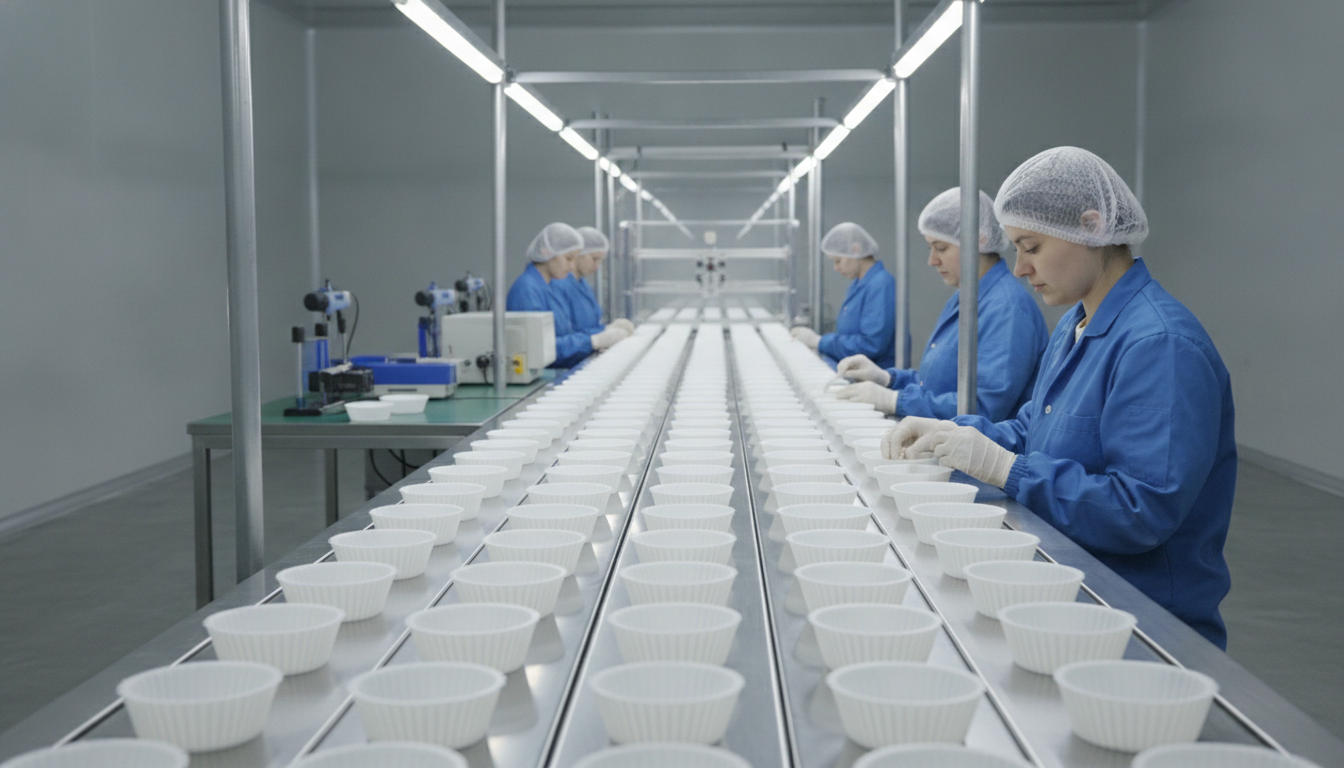
Buyers searching for a pfoa free silicone cupcake mold factory often face a common frustration: product listings claim food-grade and non-stick performance, yet the molds arrive with weak odor or uncertain material quality. verification steps, spec benchmarks, and sourcing decisions that protect your bakery supply chain or bakeware brand from safety risks and quality gaps.
📋 Table of Contents
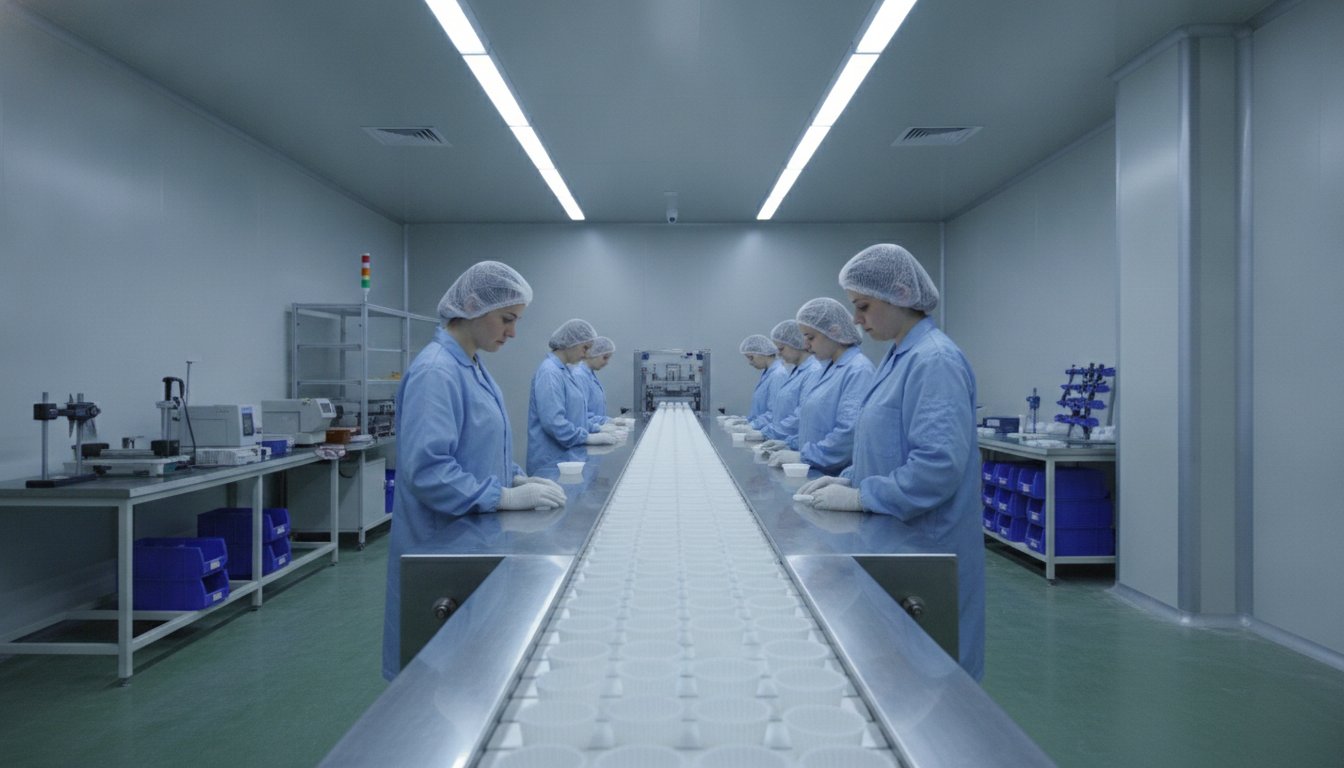
PFOA (perfluorooctanoic acid) is a synthetic chemical historically used in non-stick coatings and processing aids. While silicone itself does not inherently contain PFOA, some factories apply fluoropolymer-based release agents during molding or use contaminated processing equipment. Buyers importing cupcake molds for hotel kitchens, catering chains, or retail bakery-supply brands need verifiable proof that the factory tests for PFOA migration and maintains clean production lines.
FDA 21 CFR 177.2600 sets migration limits for rubber and silicone articles in repeated food contact. SGS and Intertek labs test finished molds by simulating baking cycles and measuring extractable substances in food simulants. A factory that cannot produce an SGS PFOA-free test report dated within the past 12 months raises a red flag for buyers who need documentation for customs clearance in Nigeria, Kenya, or South Africa.
Bakeries using non-compliant molds risk product recalls if residue levels exceed local limits. Distributors selling to quick-service restaurants or hotel chains face contract penalties when safety documentation is incomplete. Verifying PFOA-free status protects both end-user health and your brand reputation.
Buyers often discover that a factory’s marketing language does not match its testing documentation. Use this checklist to separate genuine food-grade suppliers from those relying on vague safety statements.
Ask the factory for a PDF copy of the most recent SGS or Intertek migration test report. The document should list PFOA as a tested parameter, show a result of <0.05 mg/kg, and include the factory’s legal name and production-batch identifier. Generic certificates without batch traceability are insufficient for customs or retail-chain audits.
Silicone molds that emit a noticeable odor when removed from the box indicate incomplete curing or low-grade base resin. Request a pre-production sample and perform a simple smell test after washing with hot water. Food-grade silicone should be odorless after a single rinse. Factories with proper post-molding curing ovens eliminate residual volatile organics before packing.
Food-contact silicone uses platinum-cured or peroxide-cured elastomers. Platinum-cured silicone offers better heat stability and lower extractables, making it the preferred choice for high-volume bakery use. Ask the factory which curing method they use and request a material safety data sheet (MSDS) for the base resin. Factories sourcing resin from Dow Corning, Wacker, or Momentive typically provide MSDS documentation without hesitation.
Commercial bakeries need uniform batter volume across all cavities to maintain consistent baking times and product appearance. Order a 1-piece sample and measure cavity depth, diameter, and wall thickness with calipers. Tolerance should be within ±0.5 mm across a 12-cavity mold. Factories with CNC-machined aluminum tooling deliver tighter tolerances than those using hand-finished molds.
Bakery-supply buyers often weigh silicone cupcake molds against traditional carbon-steel or aluminum pans. Each material suits different production scales and product types.
Metal pans conduct heat faster, reducing bake time by 2-3 minutes for standard cupcake recipes. Carbon-steel pans with non-stick coating deliver crisp edges and even browning. Silicone molds heat more slowly, resulting in softer crusts and slightly longer bake cycles. High-volume bakeries prioritizing throughput often prefer metal, while catering operations valuing easy release and portion control choose silicone.
Food-grade silicone offers natural non-stick properties without additional spray or liners. Baked cupcakes pop out with a gentle press, reducing labor time and eliminating paper-liner costs. Metal pans require greasing or parchment liners to prevent sticking, adding material cost and prep steps. Dishwasher-safe silicone molds simplify cleaning in commercial kitchens, though metal pans tolerate higher-temperature sanitizing cycles.
Carbon-steel pans with PTFE coating last 1,000+ bake cycles before the non-stick layer degrades. Silicone molds withstand 2,000+ cycles if handled properly, but sharp utensils or excessive stretching cause permanent tears. Replacement cost per cavity favors metal for high-volume operations, while silicone’s lower breakage risk suits smaller bakeries or mobile catering units.
Selecting a pfoa free silicone cupcake mold factory requires evaluating more than product photos and price lists. Buyers need concrete answers on minimum order quantity, testing documentation, and batch traceability.
Many factories set MOQs at 500-1,000 pieces per SKU, tying up working capital before a buyer validates market fit. Shansen Bakeware offers 1-piece sample MOQ and 30-piece bulk minimums, allowing bakery-supply startups to test cavity performance and customer acceptance without large inventory commitments. Sampling time runs 7-10 days from payment to shipment, giving buyers quick feedback before placing production orders.
Sample MOQ: 1 piece. Bulk MOQ: 30 pieces per SKU. Sampling time: 7-10 days.
Factories with in-house QC labs can perform daily batch checks for dimensions and visual defects, but food-safety migration testing requires third-party accreditation. SGS and Intertek labs simulate baking conditions by immersing molds in acidic, fatty, and aqueous food simulants at elevated temperatures, then measuring extractable substances. A factory that sends every production batch for SGS testing provides stronger traceability than one relying on annual audits of a single sample lot.
Factories operating at 500,000 units per month capacity can absorb surge orders during peak seasons without delaying shipments. Shansen Bakeware runs 7 in-house bakeware lines covering silicone, carbon steel, stainless steel, and aluminum, allowing buyers to source multiple product categories from a single supplier and consolidate container loading. Lead time for stock SKUs runs 10-15 days; custom tooling for private-label molds adds 20-25 days for mold fabrication and first-article approval.
African buyers shipping to Lagos Apapa, Mombasa, or Francophone ports benefit from factories experienced in mixed-container loading. Silicone molds nest efficiently, maximizing cubic utilization and reducing per-unit freight cost. Shansen ships from Ningbo port with container loading optimized for African distributor routes, combining bakeware sets, cake-decorating tools, and strainers into single shipments that meet import documentation requirements for Nigeria, Kenya, and South Africa.
In practice: A Kenyan bakery-supply distributor ordered 1-piece samples of three silicone cupcake mold designs, tested cavity consistency and odor, then placed a 90-unit first order (30 pieces per SKU) to validate retail demand before committing to a full container.
Buyers supplying hotel chains or quick-service restaurants need batch-level traceability for food-safety audits. Factories should provide a batch number on each carton label, linking back to the SGS test report for that production run. This documentation supports customs clearance and satisfies chain-of-custody requirements for retailers in South Africa or Nigeria. Factories that cannot provide batch-to-report traceability introduce compliance risk for buyers.
Distributors building a bakeware brand require custom packaging and logo placement without prohibitive tooling fees. Shansen offers screen-printing and debossing on silicone molds at 500-piece minimums, plus custom carton design with no setup charge for orders above 1,000 pieces. Buyers can validate market response with plain-pack stock items, then transition to branded packaging once sales volume justifies the investment.
Silicone itself does not inherently contain PFOA, but some factories apply fluoropolymer-based release agents during molding or use contaminated processing equipment. Buyers should request an SGS or Intertek migration test report showing PFOA levels below 0.05 mg/kg to confirm food-grade status. Factories with dedicated food-contact production lines and platinum-cured silicone formulations minimize contamination risk.
Verify that the factory provides SGS or Intertek test reports dated within the past 12 months, with batch traceability linking each production run to documented migration testing. Request a 1-piece sample to check for odor and cavity consistency. Confirm the factory uses platinum-cured silicone and maintains separate production lines for food-contact items. Ask for MSDS documentation for the base resin to verify supplier credentials.
BPA (bisphenol A) is a plasticizer used in polycarbonate and epoxy resins, not in silicone elastomers. PFOA is a processing aid historically used in fluoropolymer coatings and can contaminate silicone if factories share equipment with non-stick coating lines. Food-grade silicone bakeware should be both BPA-free (inherent to silicone chemistry) and PFOA-free (verified by migration testing). Buyers need SGS reports confirming both parameters meet FDA 21 CFR 177.2600 limits.
Food-grade silicone cupcake molds withstand continuous use at temperatures from -40°C to +230°C, covering standard baking, freezing, and microwave applications. Platinum-cured silicone maintains structural integrity and non-stick properties across this range without leaching or off-gassing. Buyers should confirm the factory specifies temperature limits on product labels and provides heat-aging test data showing no degradation after 500 thermal cycles.
Request SGS or Intertek migration test reports with batch traceability, MSDS for the base silicone resin, and a 1-piece sample for odor and dimensional checks. Measure cavity depth and wall thickness with calipers to confirm tolerance within ±0.5 mm. Ask the factory which curing method they use (platinum or peroxide) and whether they maintain dedicated food-contact production lines. Factories offering MOQs as low as 1 piece for sampling demonstrate confidence in product quality and willingness to support buyer validation.
Ready to source PFOA-free silicone cupcake molds with verified SGS testing and 1-piece sample MOQ?
Request Your Sample Kit →
Written by the Shansen Bakeware Export Team.
MOQ 1 set on stock configurations. Tell us what you need and we reply on WhatsApp.
Click the button below to open WhatsApp. If you're not logged in to WhatsApp Web yet, scan the QR code first — then come back here and copy the message into the chat.