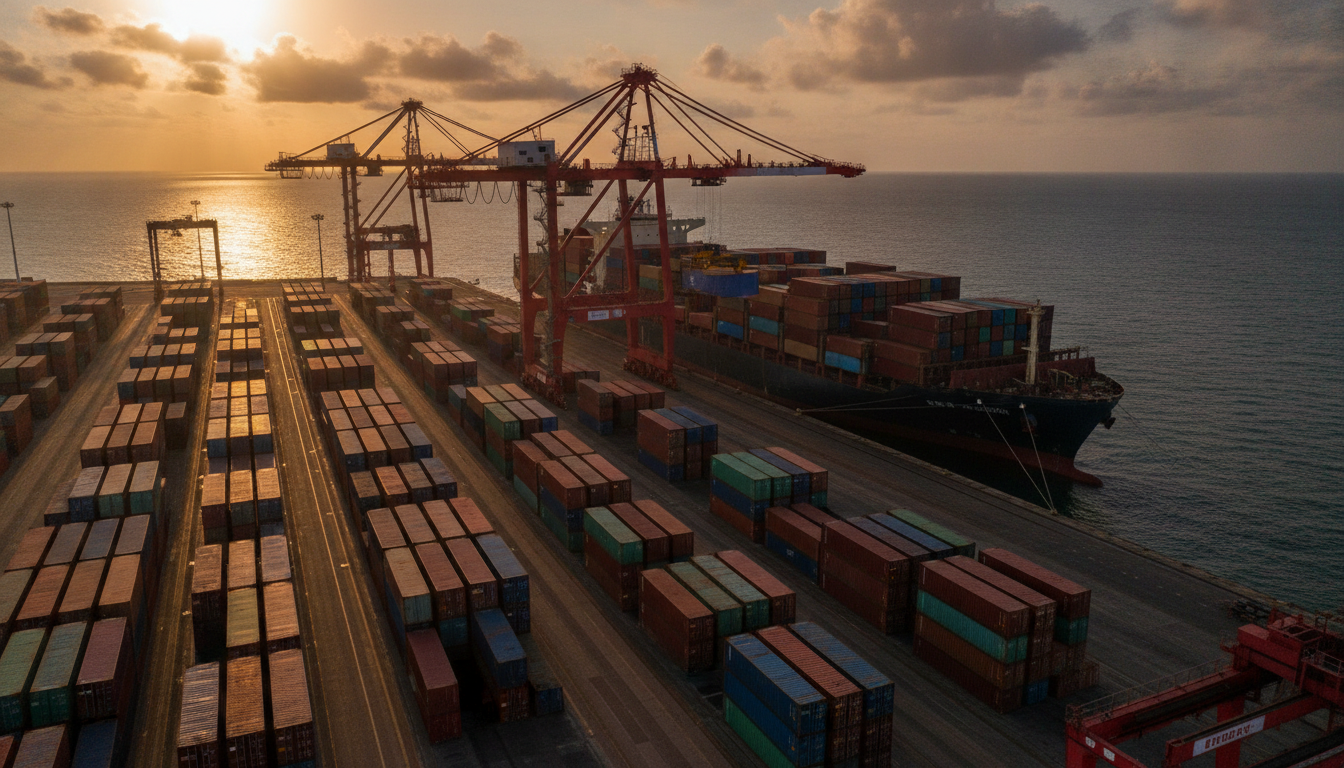
DDP shipping bakeware Mombasa port Kenya means the supplier pays all costs-ocean freight, Mombasa port charges, customs clearance, import duties, VAT, and final delivery to your warehouse-in a single quoted price. The buyer receives goods ready to sell, with zero customs paperwork or surprise fees. For a 20-foot container of bakeware from Ningbo to Mombasa, DDP transit averages 28-35 days and includes Kenya Revenue Authority duty (25% ad valorem) plus 16% VAT, both prepaid by the supplier.
📋 Table of Contents
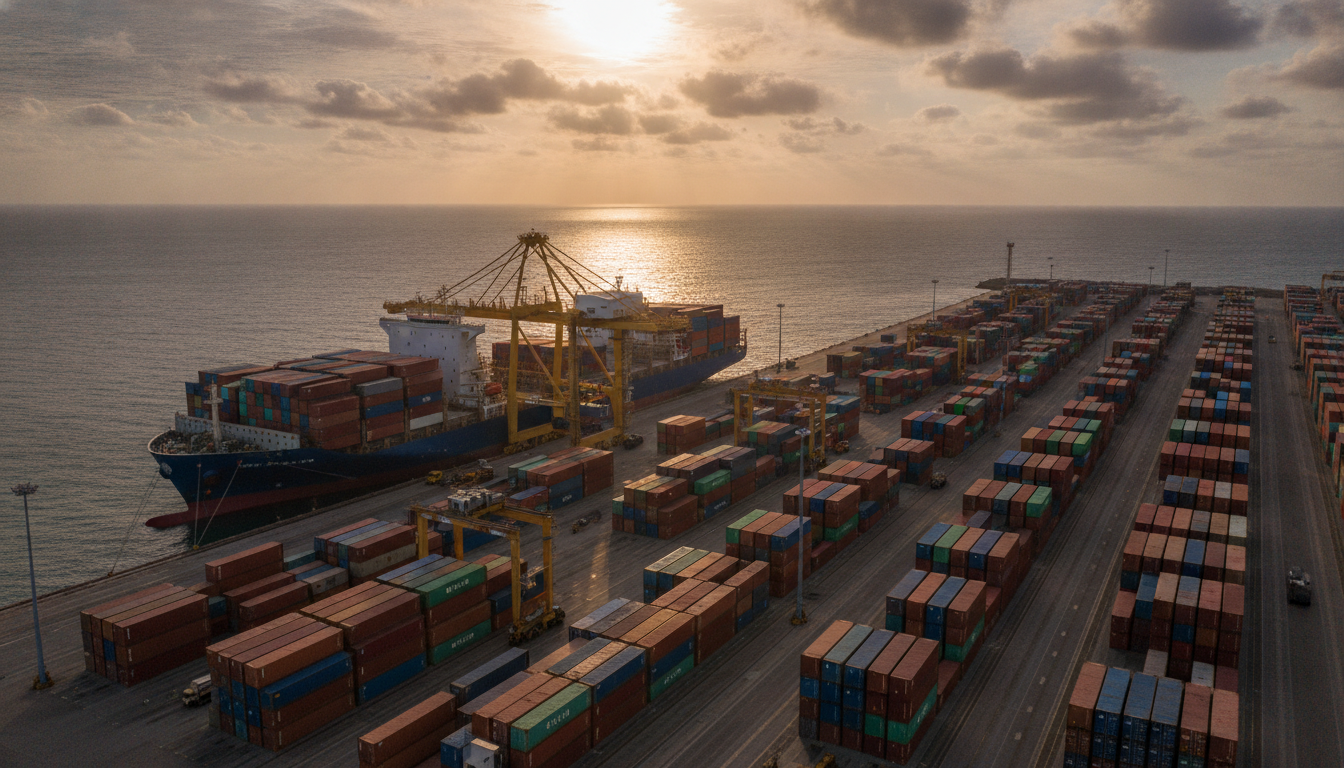
DDP (Delivered Duty Paid) transfers maximum responsibility to the supplier. The factory quotes one price that covers every step from its warehouse to yours. For bakeware shipments, this means the supplier arranges ocean freight, pays Mombasa port handling fees, files the Kenya Single Window import declaration, settles Kenya Revenue Authority (KRA) duty and VAT, and coordinates final trucking to your address in Nairobi, Mombasa, or upcountry.
The supplier books container space from Ningbo (or Shanghai/Yantian if consolidating) to Mombasa. The DDP quote includes the carrier’s bill-of-lading fee, terminal handling at both origin and destination, and any bunker-adjustment or peak-season surcharges. At Mombasa, the supplier’s agent pays container-discharge fees, storage if the box sits beyond free time, and scanning charges levied by the Kenya Ports Authority.
The supplier’s customs broker files the electronic cargo declaration through the Kenya Single Window system, attaches the commercial invoice, packing list, and certificate of origin (Form E if claiming COMESA zero-duty treatment, though most bakeware does not qualify), and pays the assessed duty and VAT before the container is released. For carbon-steel and stainless-steel bakeware under HS 7323, the standard rate is 25% duty on CIF value plus 16% VAT on the duty-inclusive amount.
After KRA releases the container, the supplier’s local haulage partner moves it to your nominated address. DDP includes this last-mile cost, whether you are in an industrial area in Nairobi, a distribution hub in Eldoret, or a retail location in Kisumu. The supplier remains responsible until you sign the delivery receipt.
Importers often ask how much DDP shipping bakeware Mombasa port Kenya will add to the factory price. The total landed cost depends on product weight, container utilization, and the supplier’s negotiated freight and clearance rates. A transparent supplier will break the DDP quote into visible line items so you understand where each dollar goes.
Start with the supplier’s FOB (Free On Board) price, which covers manufacturing, domestic trucking to Ningbo port, and loading onto the vessel. For wholesale bakeware sets in carbon steel or silicone, FOB pricing reflects raw-material cost, tooling amortization, and SGS food-grade testing. At Shansen’s Yongkang factory, 500,000 units per month capacity allows competitive FOB rates even at MOQs starting from 1 set per SKU.
Ocean freight from Ningbo to Mombasa fluctuates with bunker prices and seasonal demand. A 20-foot container carrying roughly 8,000 to 12,000 pieces of mixed bakeware (depending on item size and nesting efficiency) incurs a freight charge that the supplier pays. The supplier also arranges marine cargo insurance, typically 0.3 to 0.5 percent of CIF value, to cover loss or damage at sea.
Kenya Revenue Authority assesses duty on the CIF value (cost + insurance + freight). Bakeware made of iron, steel, or aluminum falls under HS code 7323, attracting 25% import duty. VAT at 16% applies to the sum of CIF value plus duty. The supplier’s broker calculates these amounts, pays KRA electronically, and includes the receipt in the clearance documents. Because the supplier has already paid, you receive goods with no outstanding tax liability.
Professional customs clearance at Mombasa involves filing the electronic declaration, submitting pre-shipment verification (if applicable), and coordinating with KPA for container release. Brokerage fees vary by shipment complexity, but a standard bakeware consignment with straightforward HS classification and complete paperwork incurs modest charges. Port storage beyond the free period (typically 5 days) adds daily demurrage, which a well-organized supplier avoids by clearing promptly.
From Mombasa port to Nairobi (roughly 480 kilometers) or to upcountry towns, the supplier arranges trucking. Haulage cost depends on distance, road conditions, and whether the container is delivered intact or devanned at a consolidation warehouse. DDP pricing includes this final leg, so you know the true door-to-door expense before committing to the order.
Example DDP structure: FOB Ningbo + sea freight + insurance + 25% duty + 16% VAT + clearance + inland haulage = one all-in price per unit or per container.
How long does DDP shipping bakeware Mombasa port Kenya take from order confirmation to warehouse delivery? The timeline splits into manufacturing, ocean transit, customs clearance, and final delivery.
For stock items in Shansen’s 7 product lines (silicone, carbon steel, stainless steel, aluminum, cake-decorating tools, strainers and sifters, multi-piece sets), production lead time runs 15 to 25 days depending on order volume and customization. Custom OEM private-label bakeware with logo stamping or packaging design adds 5 to 10 days for tooling and sample approval. Before the container leaves Yongkang, an SGS or in-house QC team conducts a pre-shipment inspection to verify counts, dimensions, and food-grade compliance.
Direct sailings from Ningbo to Mombasa average 28 to 35 days, depending on the carrier’s routing and any transshipment stops in Singapore or Colombo. Suppliers with strong freight-forwarder relationships secure space on faster services, while peak-season congestion (November to January for retail restocking) can extend transit by a week. The bill of lading issued at Ningbo shows the estimated time of arrival at Mombasa, which the supplier’s agent monitors to coordinate clearance.
Kenya Single Window processing for straightforward bakeware consignments takes 2 to 5 working days if all documents are in order. Delays occur when the commercial invoice lacks a detailed product description, when the supplier’s certificate of origin is missing, or when KRA flags the shipment for physical inspection. A competent DDP supplier submits complete paperwork before the vessel docks, allowing the broker to file the declaration and pay duty while the container is still at sea, so clearance completes within hours of discharge.
Trucking from Mombasa to Nairobi takes 1 to 2 days under normal road conditions. Delivery to Eldoret, Kisumu, or Nakuru adds another day. The supplier’s haulier coordinates with you to schedule offloading, ensuring your warehouse team is ready to receive and inspect the goods. Total door-to-door time from factory gate to your receiving dock: 50 to 70 days for a typical DDP bakeware shipment.
Even though the supplier handles all paperwork under DDP, you should understand what documents are filed on your behalf. Transparency in documentation prevents customs delays and ensures compliance with Kenya Bureau of Standards (KEBS) requirements for food-contact items.
The commercial invoice must itemize every SKU with HS code 7323, unit price, quantity, and total FOB value. For bakeware, the description should specify material (carbon steel, stainless steel 304, food-grade silicone) and intended use (baking pan, muffin tin, cake mold). The packing list details carton dimensions, gross and net weights, and marks/numbers for container loading. KRA cross-checks these documents against the bill of lading to confirm the declared value.
A certificate of origin issued by China Council for the Promotion of International Trade (CCPIT) or a local chamber of commerce proves the goods were manufactured in China. If the supplier claims preferential duty under a trade agreement, a Form E (COMESA) or other preferential-origin certificate is required. Most bakeware does not qualify for zero duty, so the standard 25% rate applies regardless of origin documentation, but the certificate is still mandatory for clearance.
Kenya requires Pre-Export Verification of Conformity (PVoC) for certain regulated products. Bakeware made of food-contact materials falls under KEBS jurisdiction. The supplier arranges an SGS inspection in China before shipment, and SGS issues a Certificate of Conformity (CoC) that the customs broker attaches to the import declaration. Without this CoC, KRA will not release the container. Shansen’s food-grade SGS-certified bakeware lines are tested to FDA 21 CFR 177.2600 standards for silicone and LFGB for metals, ensuring smooth PVoC approval.
The ocean carrier issues a bill of lading at Ningbo, which serves as the contract of carriage and proof of shipment. The supplier’s freight forwarder surrenders the original B/L to the Mombasa agent, who obtains a delivery order from the shipping line. The delivery order authorizes the port to release the container to the customs broker after duty payment. Under DDP, the supplier manages this entire chain, but you should receive copies of all documents for your records.
Choosing the right Incoterm affects cash flow, risk exposure, and administrative workload. DDP is not always the best fit; understanding the alternatives helps you negotiate terms that match your operational capacity.
The supplier pays everything and delivers to your door. You pay one invoice and receive goods ready to sell. This simplifies budgeting and eliminates the need for a customs broker, but the supplier builds a margin into the DDP price to cover clearance risk. First-time importers or buyers without established broker relationships benefit most from DDP.
Under DAP Mombasa, the supplier pays ocean freight and delivers the container to Mombasa port, but you arrange customs clearance, pay duty and VAT, and handle inland haulage. This splits responsibility: the supplier controls the sea leg, you control the Kenya side. DAP works well if you have a trusted broker and want to avoid the supplier’s clearance markup, but you must budget for duty, VAT, and brokerage fees separately. Importers complain that DAP quotes can expose hidden destination charges if the supplier does not define what is included, according to DHL.
CIF Mombasa means the supplier pays ocean freight and insurance but transfers risk to you once the container is discharged at Mombasa. You pay duty, VAT, port charges, clearance, and inland haulage. CIF offers transparency because the supplier quotes only factory cost plus freight, leaving you to manage the Kenya side with your own broker. However, you bear the risk of customs delays, duty-rate changes, and port congestion.
FOB Ningbo gives you maximum control. The supplier delivers the container to Ningbo port and loads it onto your nominated vessel. You book the ocean carrier, arrange insurance, file the import declaration, pay all Kenya charges, and coordinate inland delivery. FOB is the cheapest quoted price but requires the most logistics expertise. Experienced importers with high-volume orders prefer FOB to negotiate their own freight rates and avoid supplier markups.
Not every factory can execute DDP shipping bakeware Mombasa port Kenya. The supplier must have established freight-forwarder relationships, a licensed customs broker in Kenya, and the financial capacity to prepay duty and VAT. Asking the right questions during supplier screening prevents surprises after you place the order.
Ask the supplier to name their customs broker in Mombasa and confirm the broker holds a valid Kenya Revenue Authority license. A reputable supplier will share the broker’s contact details and allow you to verify credentials. Factories that have never shipped to Kenya may claim DDP capability but lack the local infrastructure to clear goods efficiently. Shippers warn that Mombasa routing can involve port-related charges and operational friction, which buyers often experience as delays or surprise costs, according to a Shenzhen logistics article.
A transparent supplier breaks the DDP price into visible components: FOB factory price, sea freight, insurance, estimated duty, estimated VAT, clearance fee, and inland haulage. This breakdown lets you compare the supplier’s freight rate against market benchmarks and verify that duty and VAT calculations are reasonable. Buyers complain that DDP quotes sound simple at first but later expose hidden destination charges if the supplier does not define what is included, according to DHL. Demand clarity before signing the purchase order.
Kenya Bureau of Standards requires an SGS Certificate of Conformity for food-contact bakeware. The supplier must arrange the pre-export inspection and include the CoC in the shipping documents. Ask to see a sample CoC from a previous Kenya shipment. Factories that skip this step leave you stuck at customs with an unreleasable container. Shansen’s Yongkang facility maintains SGS test reports for all 7 bakeware lines, ensuring PVoC approval on every Kenya-bound shipment.
DDP makes sense only if the order size justifies the clearance overhead. Suppliers with high MOQs (500 or 1,000 pieces per SKU) force you to tie up cash before validating market demand. Low-MOQ bakeware suppliers starting at 1 set or 1 piece per SKU let you test multiple products in a single container, spreading risk. Before committing to DDP terms, request 1-piece samples to verify coating quality, nesting efficiency, and packaging protection.
Efficient container packing reduces per-unit freight cost. Suppliers experienced in African distribution design carton dimensions to maximize 20-foot or 40-foot container utilization. Shansen’s Ningbo loading team optimizes for Lagos Apapa, Mombasa, and Francophone/Lusophone African ports, ensuring you pay for product weight, not wasted air space. Ask the supplier for a container-loading plan showing carton count, total CBM, and weight distribution.
In practice: A Nairobi kitchenware distributor requested DDP quotes from three Chinese suppliers for a mixed container of silicone and carbon-steel bakeware; the supplier with the most transparent line-item breakdown and verifiable Mombasa broker won the order, delivering on time with zero surprise charges.
Yes, under DDP Incoterms the supplier appoints a licensed Kenya customs broker to file the import declaration, pay duty and VAT, and release the container in the buyer’s name. The broker operates under a power of attorney or agency agreement, and Kenya Revenue Authority accepts this arrangement provided all documentation is complete. The buyer remains the importer of record for tax purposes, but the supplier handles the administrative and financial steps.
Kenya Revenue Authority conducts random physical inspections to verify that the declared HS code, quantity, and value match the actual goods. If your shipment is selected, the customs broker opens the container at the port, KRA officers inspect a sample, and the broker reseals the container after clearance. This adds 1 to 3 days to the release timeline. Under DDP, the supplier’s broker manages the inspection and any associated demurrage or storage fees, so you incur no extra cost unless the inspection reveals a discrepancy in the commercial invoice.
Request a copy of the Kenya Revenue Authority electronic payment receipt, which shows the duty and VAT amounts, the payment reference number, and the date of settlement. The customs broker generates this receipt when filing the import declaration through the Kenya Single Window system. You can cross-check the receipt against the commercial invoice CIF value to confirm the calculations are correct. Reputable DDP suppliers provide this receipt as part of the final shipping documentation package.
Ready to simplify your Kenya bakeware imports with transparent DDP pricing and Mombasa-optimized container loading?
Request a Line-Item DDP Quote →
Written by the Shansen Bakeware Export Team.
MOQ 1 set on stock configurations. Tell us what you need and we reply on WhatsApp.
Click the button below to open WhatsApp. If you're not logged in to WhatsApp Web yet, scan the QR code first — then come back here and copy the message into the chat.