📋 Table of Contents
Sourcing a reliable starter baking kit manufacturer often hits two walls: high minimum order quantities that strain cash flow, and inconsistent product quality that risks food safety. For Nigerian kitchenware importers and bakery supply buyers, finding a factory that ships to Lagos with low MOQ and SGS-verified materials is not optional-it’s the only way to launch profitably. Shansen’s 7 in-house bakeware lines, starting from 1-piece samples and a 30-piece bulk MOQ, solve this direct-sourcing problem from wholesale bakeware sets. For wholesale orders, see our 5-size springform pan range.
A starter baking kit manufacturer serving Nigerian buyers must include core tools that cover the most common baking tasks: mixing, shaping, baking, and decorating. Kits typically range from 6 to 20 pieces, but the right selection depends on whether you target home bakers, bakery startups, or hotel kitchens.
For a tropical climate like Nigeria’s, material choice affects both durability and food safety. Below is a quick comparison of the four materials Shansen uses in wholesale starter baking kit manufacturer solutions.
In Lagos, Mombasa, or Luanda, high heat and humidity accelerate material breakdown. A common pitfall is silicone that turns sticky or carbon steel that rusts within weeks. SGS-tested kits from a manufacturer with in-house QC-like Shansen-use food-grade silicone that withstands repeated cycles at 230°C, and carbon steel with reinforced coating that passes 500-hour salt spray tests. For wholesale orders, see our hard-coat pizza pan range.
Vetting a starter baking kit manufacturer goes beyond product photos. Nigerian regulatory expectations are rising, and your resale value depends on documented safety. The following three checks prevent returns and health risks.
Every bakeware material in a kit must have a valid SGS report showing compliance with FDA 21 CFR 177.2600 (for silicone) and overall migration limits under EU 1935/2004. Request the report PDF before sampling. A factory that hesitates to provide these documents is often using uncertified raw materials.
Even if a supplier claims “non-stick,” verify that the coating contains no restricted PFAS substances as defined by California Proposition 65 and the upcoming EU PFAS restrictions. Shansen’s kits come with SGS PFAS-free and Pb-free reports, eliminating guesswork for Nigerian importers who market to health-conscious buyers.
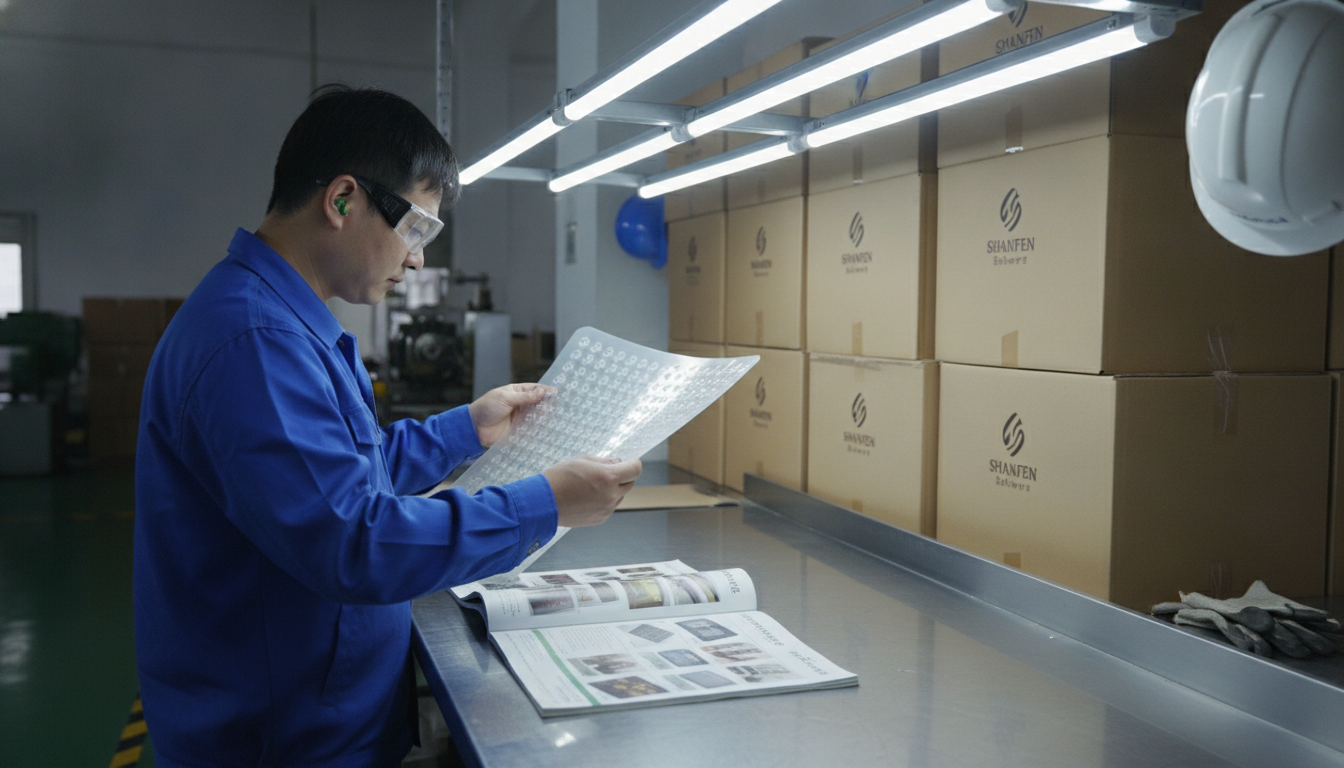
Before committing to a full order, small-quantity samples let you test material feel, coating adhesion, and dimensional accuracy. Shansen’s low MOQ bakeware for startups program ships 1-piece samples per SKU in 7-10 days, so you can send kits to local bakeries for real-world stress testing. This step catches flaws that lab reports might miss.
Sample MOQ: 1 piece. Bulk MOQ: 30 pieces per SKU. Sampling time: 7-10 days.
Container delays, port congestion at Apapa, and inconsistent lead times are real costs. Working with a starter baking kit manufacturer that optimizes container loading for African destinations saves you up to 15% on per-unit freight costs.
Shansen’s Ningbo port facilities load 20 ft and 40 ft containers specifically for West African discharge. Mixed pallets of silicone, carbon steel, and aluminum bakeware are packed to maximize cube utilization-typically fitting 30% more SKUs per container than standard stuffing methods. This directly lowers your landed cost per kit for baking tools wholesale Nigeria orders.
Manufacturing lead times average 15-25 days for orders under 5,000 pieces, with 28-35 days for larger volumes. After-sales support matters: if a coating defect is found on arrival, Shansen issues credit or replacement within 7 working days based on photographic evidence, a critical safeguard when you cannot inspect goods in China.
A typical bulk starter baking kit includes 8-15 pieces: silicone muffin cups, a carbon steel loaf pan, a stainless steel mixing bowl, a whisk, a spatula, a flour sifter, measuring spoons, and a rolling pin. Kits for Nigerian bakeries often add heat-resistant gloves and a cake turntable. Material quality varies widely, so verify SGS food-grade certification. For wholesale orders, see our entry-price flour sifter line.
Factory-direct wholesale pricing depends on material mix, coating, and order volume. Silicone-heavy kits start lower, while stainless steel sets cost more. At Shansen, 30-piece MOQ pricing is significantly below typical distributor rates because you avoid middlemen. Exact pricing requires a spec sheet; contact the team for a custom quote after reviewing material options.
Begin by ordering 1-piece samples of 3-5 kit configurations from a manufacturer. Test the products with local bakeries. Once you validate demand, place a small batch order (30-100 units per SKU) to supply 5-10 retail shops or catering clients. Use plain packaging for market entry, then add your custom OEM brand once volumes grow.
Beginners need a non-stick cake pan, a silicone spatula, a dough scraper, a stainless sifter, and a mixing bowl set. For Nigerian kitchens that fry as well as bake, a sturdy carbon steel frying pan with PFAS-free coating is a high-demand addition. The key is choosing tools that survive repeated hand washing in hard water.
You can buy directly from Shansen Bakeware, a factory-direct manufacturer shipping from Ningbo to Lagos, Mombasa, Francophone, and Lusophone African ports. No distributor markup. Visit the contact page to request 1-piece samples and a catalog with current Mumbai-based pricing for African distributors. Custom private-label printing is available.
Request 1-piece samples from the starter baking kit manufacturer that ships to Lagos with 30-piece MOQ.
Request 1-Piece Samples →
Browse OEM-ready bakeware from Shansen (SGS / FDA / PFAS-free / Pb-free, MOQ 1-50):
MOQ 1 set on stock configurations. Tell us what you need and we reply on WhatsApp.
Click the button below to open WhatsApp. If you're not logged in to WhatsApp Web yet, scan the QR code first — then come back here and copy the message into the chat.