📋 Table of Contents
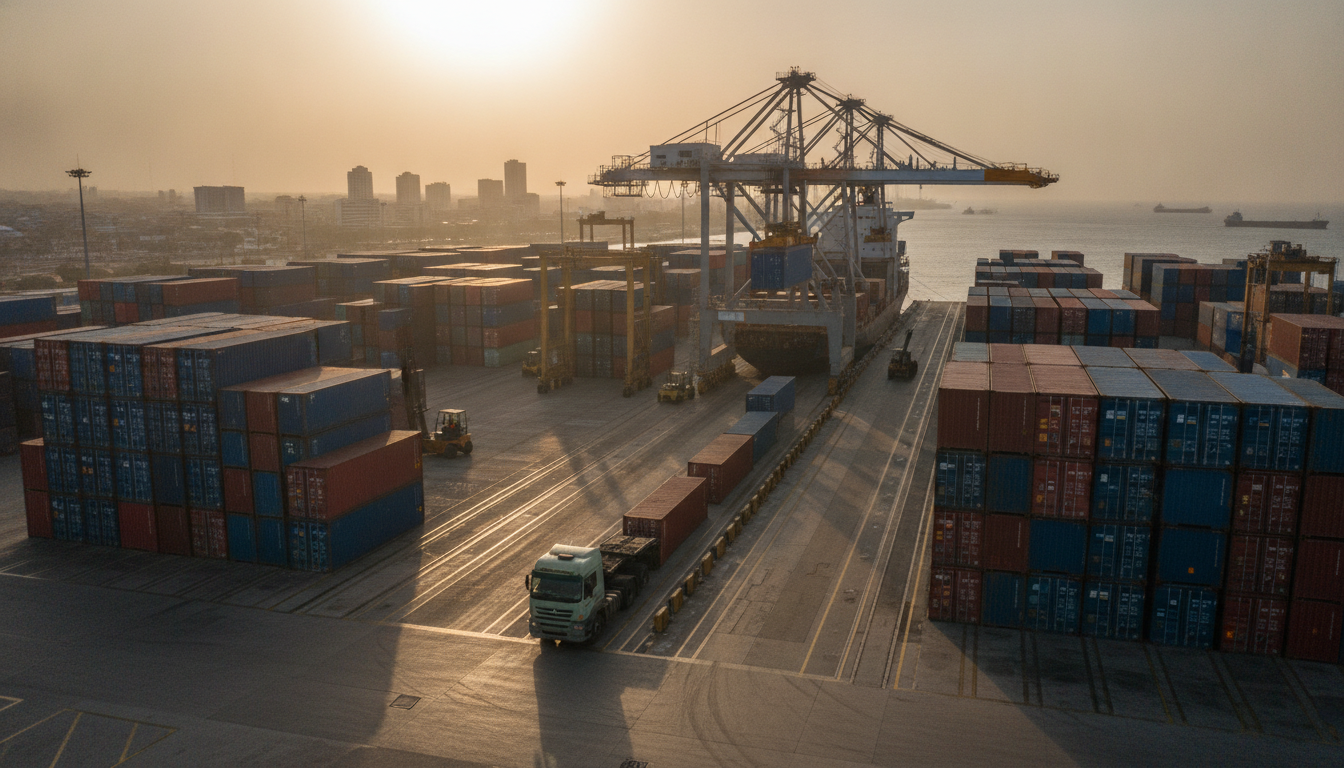
When you import aluminum or carbon steel baking trays from China to Kenya, understanding the real lcl baking tray shipment cost nairobi mombasa breakdown determines whether your first container turns a profit or ties up cash for months. Most quoted freight rates cover only ocean leg charges, leaving importers surprised by documentation fees, inland haulage, and Kilindini port handling that can add 40-60% to the initial quote.
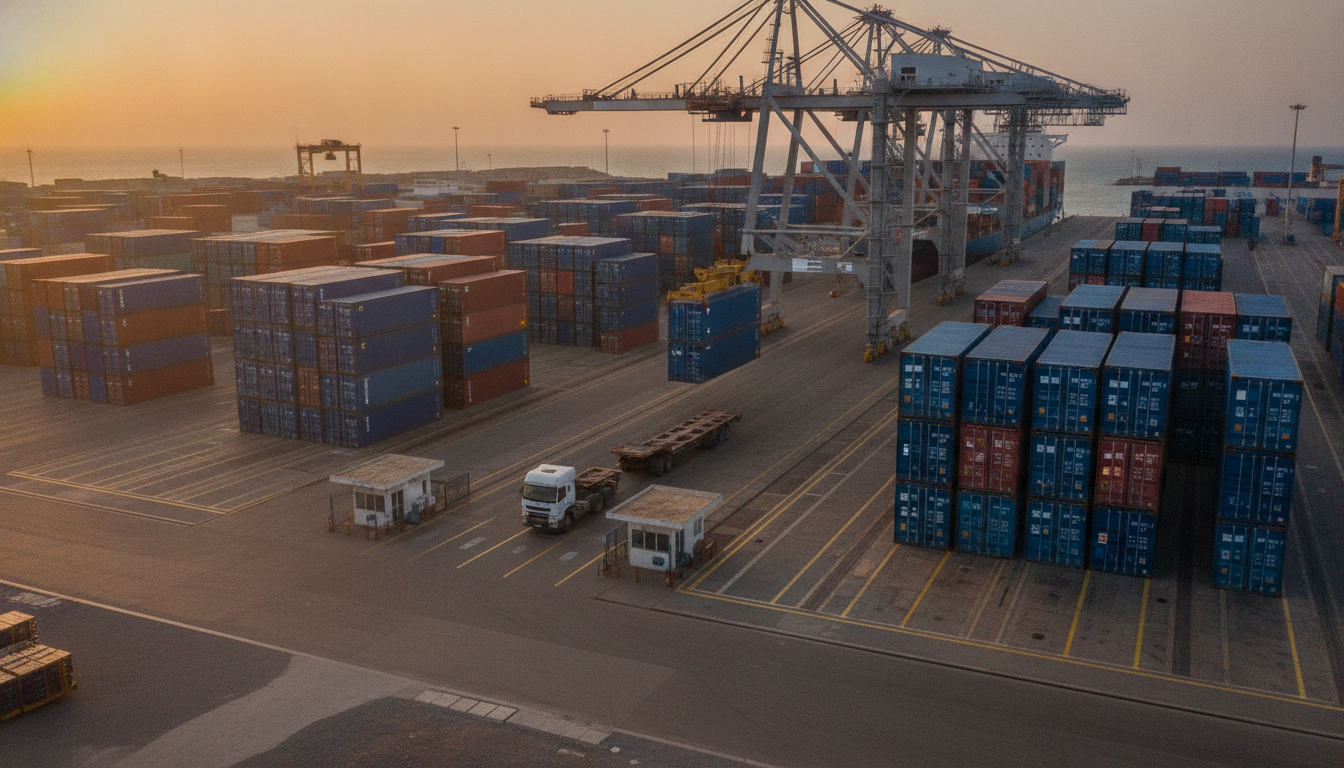
LCL shipments charge by cubic meter or by weight, whichever yields higher revenue for the consolidator. Baking trays are volumetric cargo, meaning CBM almost always determines your cost. A standard 18-inch round aluminum pizza pan nested in a carton measures roughly 0.02 CBM per unit; ship 100 pans and you occupy 2 CBM before packaging material.
Ningbo to Mombasa LCL rates fluctuate with bunker fuel surcharges and seasonal demand. During peak shipping months (September to November ahead of holiday baking seasons), rates can spike 20-30%. Consolidators quote per CBM, but minimum billing thresholds apply: most carriers charge a 1 CBM minimum even if your actual shipment measures 0.7 CBM.
Importers frequently report LCL shipments taking longer than expected because consolidation and deconsolidation add days beyond the published transit time. A direct FCL sailing from Ningbo to Mombasa takes 21-24 days. The same route via LCL consolidation stretches to 28-35 days because your cargo waits at the origin warehouse until the consolidator fills a full container, then waits again at Mombasa for deconsolidation and customs clearance.
Freight forwarders calculate chargeable weight using the formula: actual weight in kg vs (length × width × height in cm ÷ 6000). For a carton of carbon steel sheet pans measuring 60cm × 50cm × 40cm and weighing 18 kg, volumetric weight is (60 × 50 × 40 ÷ 6000) = 20 kg. The carrier bills for 20 kg, not 18 kg. Multiply by your total carton count to estimate chargeable CBM.
Our Yongkang factory runs 7 in-house bakeware lines at 500,000 units/month capacity, shipping wholesale bakeware sets optimized for African container loading. We pre-calculate CBM for mixed SKU orders, so buyers know their freight exposure before confirming the purchase order.
The lcl baking tray shipment cost nairobi mombasa choice hinges on whether you clear customs at the port or inland. Mombasa port clearance saves inland haulage fees but requires a customs clearing agent with a Kilindini office. Nairobi clearance adds road transport but lets you use an inland container depot with lower demurrage rates.
Mombasa port charges demurrage after 4 free days for LCL cargo. If your clearing agent delays documentation or Kenya Revenue Authority flags your shipment for physical inspection, each additional day costs USD 15-25 per CBM. Nairobi inland depots offer 7-10 free days, reducing demurrage risk for first-time importers unfamiliar with KRA processes.
Importers based in Nairobi, Nakuru, or Eldoret often find Nairobi clearance more convenient despite higher total cost. You avoid coordinating Mombasa warehousing, and your clearing agent can physically attend KRA inspections within 2 hours instead of managing remotely. For low-MOQ bakeware orders under 3 CBM, the convenience premium of USD 200-270 is acceptable.
Customers importing bulky kitchenware often report that poor packing inflates CBM, making LCL unexpectedly expensive compared with a small FCL load. A 13×9-inch aluminum baking pan occupies 0.018 CBM when nested flat in a master carton. Stack them vertically with excessive void fill, and the same 50 pans jump to 0.032 CBM per unit, nearly doubling your freight cost.
Master carton dimensions directly control your CBM. A carton measuring 55cm × 45cm × 38cm holds 24 carbon steel sheet pans and calculates to 0.094 CBM. Reduce height to 32cm by tighter nesting, and the same 24 pans drop to 0.079 CBM, saving USD 1.50-1.80 per carton in ocean freight. Multiply across 40 cartons and you save USD 60-72.
Combining aluminum round pans, rectangular carbon steel trays, and silicone molds in one shipment creates packing challenges. Round pans nest efficiently; rectangular trays stack flat; silicone molds are compressible. A skilled packer can achieve 85-90% carton utilization by layering product types. Poor mixed packing drops utilization to 60-65%, wasting 25-30% of your freight budget on air.
Packing efficiency benchmark: Well-nested baking trays achieve 12-14 units per 0.1 CBM. Poorly packed trays drop to 8-10 units per 0.1 CBM, inflating freight cost by 30-40%.
We optimize carton dimensions for SGS-tested bakeware shipments to African ports, pre-calculating CBM for mixed aluminum, carbon steel, and stainless steel orders. Buyers receive a packing plan showing carton count, total CBM, and estimated ocean freight before production starts.
Buyers often complain that quoted shipping prices change after booking because destination charges, documentation fees, or local handling fees were not disclosed upfront. A USD 200 ocean freight quote becomes USD 550 landed once you add Mombasa port handling, bill of lading fees, customs examination charges, and clearing agent commissions.
Kenya charges 25% import duty on bakeware (HS code 7323.93 for stainless steel, 7615.10 for aluminum). VAT adds another 16% on the CIF value plus duty. A USD 1,000 CIF shipment incurs USD 250 duty, then 16% VAT on USD 1,250, totaling USD 450 in taxes. Clearing agents charge 1.5-2.5% of CIF value as their service fee, adding USD 15-25 on a USD 1,000 shipment.
Kenya Revenue Authority randomly selects 15-20% of shipments for physical inspection. If your shipment is flagged, expect USD 80-150 in additional charges for container destuffing, inspection attendance, and restuffing. First-time importers without a compliance history face higher inspection rates, sometimes 40-50% of shipments in the first year.
In practice: A Nairobi kitchenware distributor imported 3 CBM of aluminum baking trays quoted at USD 300 ocean freight, but paid USD 820 total landed cost after port handling, customs clearing, and KRA inspection fees were added
The lcl baking tray shipment cost nairobi mombasa analysis shifts once your order volume crosses 10-12 CBM. A 20ft container holds 28 CBM and costs USD 1,400-1,800 all-in from Ningbo to Mombasa in 2026. At 12 CBM via LCL, you pay USD 90-110 per CBM ocean freight (USD 1,080-1,320) plus USD 200-300 in destination LCL handling, totaling USD 1,280-1,620 before inland haulage. The FCL premium is only USD 120-180, but you gain 16 CBM of extra capacity and eliminate consolidation delays.
FCL lets you combine slow-moving and fast-moving SKUs in one shipment without per-CBM penalties. Import 8 CBM of high-demand aluminum sheet pans, 6 CBM of seasonal silicone molds, 4 CBM of stainless steel cooling racks, and 10 CBM of multi-piece custom OEM bakeware sets in one 20ft container. LCL would charge separately for each product category’s CBM, often at different rates.
FCL shipments sail on a fixed schedule with no consolidation wait. Book a Ningbo-Mombasa FCL and your container departs within 3-5 days of factory loading. LCL shipments wait 7-14 days at the origin consolidation warehouse until the forwarder fills a full container, then wait another 3-7 days at Mombasa for deconsolidation. For importers launching a new product line or restocking ahead of peak baking season, the 10-21 day time savings justifies the FCL cost.
Many Chinese bakeware factories set 500-1,000 piece MOQs per SKU, forcing buyers into FCL volumes before they validate local demand. Our factory ships from 1 piece per SKU for sampling and 30 pieces per SKU for first production orders, letting importers test 8-10 SKUs in a 3-4 CBM LCL shipment before committing to a full container.
LCL ocean freight from Ningbo to Mombasa averages USD 80-120 per CBM in 2026, fluctuating with bunker fuel surcharges and seasonal demand. Add USD 200-350 in Mombasa port handling, documentation, and container freight station fees regardless of CBM. A 2 CBM shipment totals USD 360-590 before customs duty, VAT, and clearing agent fees.
Mombasa port clearance is cheaper, saving USD 180-250 in inland haulage versus Nairobi clearance. However, Nairobi inland depots offer 7-10 free storage days compared to Mombasa’s 4 days, reducing demurrage risk. For importers based in Nairobi or upcountry, the convenience of local clearing often justifies the extra USD 200-270 in total landed cost.
FCL direct sailings from Ningbo to Mombasa take 21-24 days. LCL shipments extend to 28-35 days because cargo waits at the origin consolidation warehouse until a full container is filled, then waits again at Mombasa for deconsolidation and customs clearance. Peak season congestion can add another 3-7 days to both modes.
LCL quotes typically include only ocean freight per CBM. Destination charges added at Mombasa include container freight station fees (USD 80-120), port handling (USD 15-25 per CBM per day after free time), bill of lading documentation (USD 40-60), security screening (USD 30-50), and customs clearing agent fees (1.5-2.5% of CIF value). Import duty and VAT are calculated separately on CIF value.
Landed cost formula: (product FOB price + ocean freight + insurance) × 1.25 (duty) × 1.16 (VAT) + port handling + clearing fees + inland haulage. For a USD 1,000 FOB shipment with USD 200 freight and USD 15 insurance: CIF = USD 1,215, duty = USD 304, VAT on USD 1,519 = USD 243, taxes total USD 547. Add USD 300 port/clearing and USD 200 haulage for USD 2,262 final landed cost.
Need a detailed CBM and landed-cost breakdown for your next bakeware order to Mombasa or Nairobi?
Request a Freight Estimate →
Written by the Shansen Bakeware Export Team.
Once your LCL consignment lands, the Nairobi hotel and restaurant baking tray range shows which tray sizes ship best inside a mixed pallet.
MOQ 1 set on stock configurations. Tell us what you need and we reply on WhatsApp.
Click the button below to open WhatsApp. If you're not logged in to WhatsApp Web yet, scan the QR code first — then come back here and copy the message into the chat.