
Is silicone bakeware safe? Food-grade silicone bakeware that meets FDA 21 CFR 177.2600 standards is safe for baking within its rated temperature limit, typically up to 220°C. Safety depends on the purity of the silicone formulation, absence of fillers, proper curing during manufacturing, and adherence to the manufacturer’s temperature ceiling.
📋 Table of Contents
Food-grade silicone is a polymer made from silica, oxygen, carbon, and hydrogen, formulated to meet specific purity and migration standards for direct food contact. The FDA regulates food-contact silicone under 21 CFR 177.2600, which sets limits on volatile organic compounds, heavy metals, and extractable substances that could leach into food during baking.
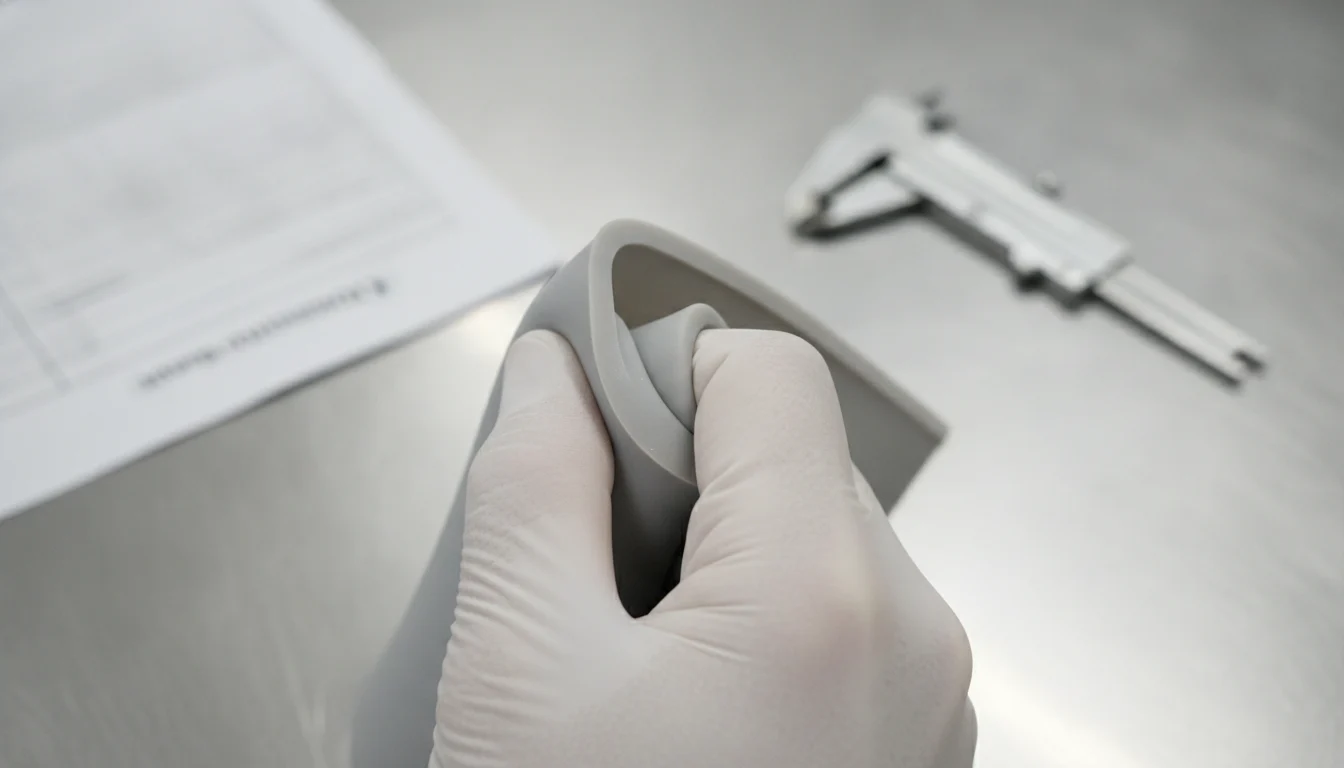
Pure food-grade silicone contains no fillers or extenders. Some manufacturers add calcium carbonate, talc, or other inert fillers to reduce cost, but these additives weaken the material’s heat resistance and create micro-cracks where bacteria can accumulate. A simple test: pinch and twist a corner of the silicone item. Pure silicone returns to its original shape immediately and shows no white discoloration at the twist point. If white streaks appear, fillers are present.
Silicone bakeware is cured at high temperatures to cross-link the polymer chains and drive off volatile byproducts. Incomplete curing leaves residual platinum catalyst or peroxide initiators that can emit odors during the first few uses. Buyers report a chemical smell or off-taste in baked goods when silicone has not been fully cured. Proper curing eliminates this issue, but visual inspection cannot confirm it. Request a certificate of analysis showing volatile organic compound levels below FDA limits.
Platinum-cured silicone is the industry standard for food contact because it leaves minimal residue and meets FDA 21 CFR 177.2600 without additional post-cure washing. Peroxide-cured silicone is less expensive but requires extended post-cure baking to remove residual peroxide, which can degrade into acetic acid and cause odor. Our wholesale bakeware sets use platinum-cured silicone across the entire silicone line to eliminate odor complaints and ensure consistent batch quality for distributors stocking retail-ready SKUs.
Silicone bakeware is rated for continuous use up to 220°C in most formulations. Exceeding this temperature causes the polymer to soften, lose shape, and potentially release low-molecular-weight siloxanes into food.
At temperatures above 220°C, silicone begins to depolymerize. The material becomes tacky, loses structural integrity, and can emit a burnt-rubber odor. Migration of cyclic siloxanes increases, particularly into fatty foods such as butter-rich cakes or roasted meats. These compounds are considered low-toxicity, but regulatory bodies including the European Food Safety Authority have set migration limits to minimize cumulative exposure.
Silicone bakeware should never be used under a broiler or over direct flame. Localized temperatures in these settings can exceed 260°C, well beyond the material’s safe operating range. Buyers using silicone muffin cups or molds in commercial bakeries should verify that oven hot spots do not exceed the rated temperature, especially in older convection ovens with uneven heat distribution.
Repeated heating and cooling cycles cause silicone to harden over time, reducing flexibility and increasing the risk of tearing. High-volume bakeries cycling silicone molds multiple times per day should inspect items monthly for surface cracks, permanent deformation, or loss of non-stick properties. Replace any item showing these signs to maintain food-safety standards.
Temperature rating: 220°C continuous use. Broiler: not safe. Inspection frequency: monthly in high-cycle commercial settings.
Low-cost silicone bakeware often contains fillers that compromise both safety and performance. These additives reduce material cost but create weak points, poor heat distribution, and potential contamination pathways.
FDA 21 CFR 177.2600 specifies migration testing using food simulants: water, 3% acetic acid, 50% ethanol, and n-heptane. Each simulant targets a different food category (aqueous, acidic, alcoholic, fatty). Test samples are exposed to each simulant at 100°C for two hours, then analyzed for total extractables. Acceptable limits are typically below 3 mg per square inch of food-contact surface.
Request test reports covering all four simulants, not just water. Many low-cost suppliers provide water-only migration data, which does not capture leaching into fatty or acidic foods. Our Yongkang factory runs 7 in-house bakeware lines at 500,000 units per month capacity, with batch-specific SGS test reports on request covering the full FDA 21 CFR 177.2600 simulant panel for the silicone line.
Perform these checks on sample units before committing to a production run:
Requesting a 1-set sample and running pinch-twist, odor, and flexibility tests before a full order lets distributors confirm material purity and curing quality without tying up cash in untested inventory.
Manufacturers often label silicone bakeware as FDA-approved or food-grade without providing verifiable documentation. The FDA does not approve individual products; it sets standards that manufacturers must meet. Verification requires independent third-party testing and documentation review.
Ask for SGS, Intertek, or Bureau Veritas test reports dated within the past 12 months and specific to the SKU you are ordering. Generic certificates covering a product category rather than your exact item are not sufficient. The report should list the test methods (FDA 21 CFR 177.2600 migration, heavy-metal screening), the simulants used, and the pass/fail results for each parameter.
Confirm that the testing laboratory holds ISO/IEC 17025 accreditation for food-contact testing. Accreditation ensures the lab follows standardized procedures and maintains traceability. Some suppliers provide test reports from unaccredited in-house labs, which carry no regulatory weight. Cross-check the lab name against the accrediting body’s public registry.
Although silicone itself does not contain per- and polyfluoroalkyl substances (PFAS), some manufacturers apply PFAS-based coatings to improve release properties. Request a statement confirming PFAS-free formulation. Similarly, verify that lead, cadmium, and other heavy metals are below FDA and California Proposition 65 limits. Our food-grade SGS and FDA certified bakeware line includes test reports covering PFAS-free confirmation and heavy-metal screening for the carbon-steel and silicone lines, issued per production batch.
Food-grade silicone bakeware should carry a temperature-rating label, material composition statement, and country of origin. Packaging that omits these details or uses vague terms like kitchen-grade or premium silicone without regulatory references suggests the manufacturer is avoiding specific claims they cannot substantiate. Reject suppliers who refuse to provide clear labeling or test documentation.
Silicone and metal bakeware each carry distinct safety profiles. Metal options such as carbon steel, stainless steel, and aluminum offer superior heat conductivity and inertness, while silicone provides flexibility and non-stick convenience at the cost of performance trade-offs.
Carbon steel bakeware coated with FDA 21 CFR 175.300-compliant non-stick finishes delivers excellent browning and heat retention. The coating must be PFAS-free and free of lead or cadmium to meet current food-safety standards. Scratched or damaged coatings expose the underlying steel to moisture, leading to rust and potential iron migration into acidic foods. Our carbon-steel line is tested under SGS protocols covering FDA 21 CFR 175.300 non-stick coating compliance, with reports dated 2020, 2021, and 2023 confirming PFAS-free and lead-free formulations.
Stainless steel is the most chemically inert bakeware material, with no coating to degrade and minimal risk of metal leaching under normal baking conditions. It does not retain odors or stains and can withstand temperatures well above 300°C. The primary drawback is poor release properties, requiring greasing or parchment liners for most applications. Stainless steel is the preferred choice for high-acid batters (lemon bars, tomato-based savory bakes) where metal reactivity is a concern.
Uncoated aluminum is reactive with acidic and alkaline foods, causing discoloration and a metallic taste. Anodized aluminum forms a hard, non-reactive oxide layer that improves durability and eliminates reactivity, but the anodization can wear over time with abrasive cleaning. Aluminum offers the best heat conductivity of any bakeware material, producing even browning and consistent results. For distributors serving bakeries focused on crust quality, aluminum outperforms silicone in every thermal metric.
Buyers frequently mention that silicone bakeware produces pale, soft crusts compared to metal pans. Silicone’s low thermal conductivity and poor heat retention mean baked goods spend less time at crust-forming temperatures. Breads, pastries, and cakes requiring a firm exterior perform better in metal pans. Silicone is well-suited for muffins, cupcakes, and molded desserts where release ease and portion control matter more than crust development. Distributors stocking both categories can position silicone as a convenience option and metal as a performance option, capturing different customer priorities.
Our low-MOQ bakeware for startups program allows importers to sample 1 set of silicone bakeware and 1 piece of carbon-steel or aluminum bakeware before committing to a 500-piece production run, enabling side-by-side performance testing in local market conditions.
Food-grade silicone that meets FDA 21 CFR 177.2600 migration limits releases minimal extractables into food when used within its rated temperature range, typically up to 220°C. Migration increases with fatty foods and higher temperatures, so staying within the manufacturer’s temperature ceiling and replacing damaged items minimizes exposure. Request migration test reports covering all four FDA simulants to confirm compliance.
Pinch and twist a corner of the silicone item 180 degrees. Pure silicone returns to its original shape immediately with no white discoloration at the twist point. White streaks indicate the presence of fillers such as calcium carbonate or talc. Combine this visual test with a request for a certificate of analysis showing filler-free formulation and FDA 21 CFR 177.2600 compliance to verify material purity.
Silicone bakeware avoids the coating-degradation risks associated with scratched or overheated non-stick metal pans, but it is less chemically inert than stainless steel or glass. PFAS-free non-stick coatings meeting FDA 21 CFR 175.300 on carbon steel are safe when intact and used within temperature limits. Silicone offers a middle-ground option with better durability than damaged non-stick coatings but lower thermal performance than metal.
Written by the Shansen Bakeware Export Team.
Need batch-specific test reports or sample units to verify food-grade quality before your next container?
Request SGS Reports & Samples →
MOQ 1 set on stock configurations. Tell us what you need and we reply on WhatsApp.
Click the button below to open WhatsApp. If you're not logged in to WhatsApp Web yet, scan the QR code first — then come back here and copy the message into the chat.